
Rodent Removal Services in San Diego
Nine services in the order a job runs: the animals out, the house closed, the attic put right. Every one handled by a contractor registered with the Structural Pest Control Board after a free inspection.
- Free inspection first
- Itemized quotes, national bands printed
- Sealing in every sequence
The order the work runs, and why
Sealing is the spine of every job on this list, because trapping without closing the house is the single most criticized practice among people who have been through it. It runs in this order: record every opening, close the ones nothing is using, trap whatever is still inside, shut the last runs when the traps go quiet, and only then clean up what was left behind.
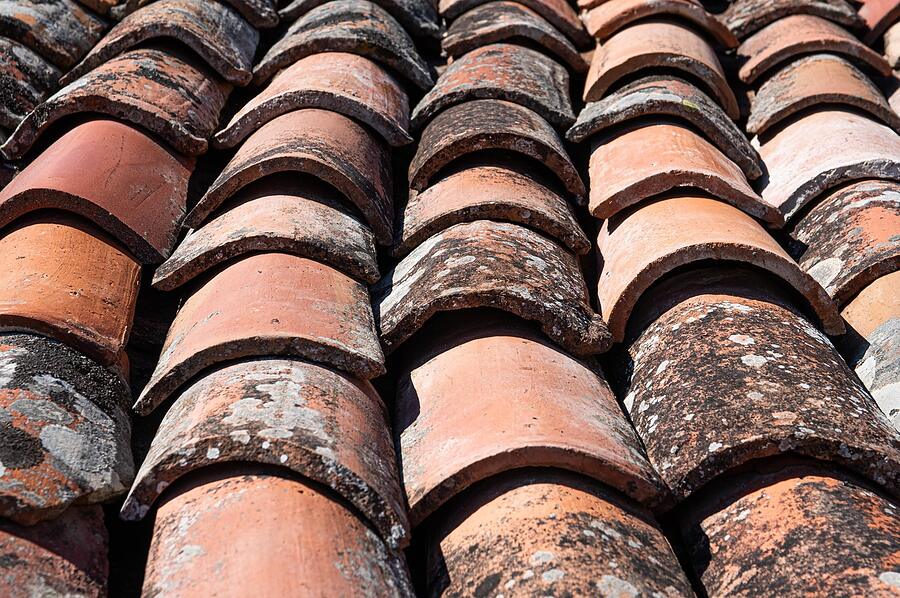
On a San Diego house that means the eave first and, on the raised-foundation stock, the crawl space second. Tile eaves without a bird stop, open Craftsman rafter bays, gable screens, foundation vents, the garage door sweep and the sleeves where lines pass through stucco are the usual list. The inspection records each one, and the quote prices trapping, sealing and cleanup as separate lines so that a bundled number never has to be judged on faith.
The about page covers who attends and the registrations to check. The contact page has the hours and the address.
The services, grouped by where they sit in the job
The animals come out first, the sealing decides whether the result lasts, and what happens in the attic afterward depends on the state it is left in.
Roof Rat Removal
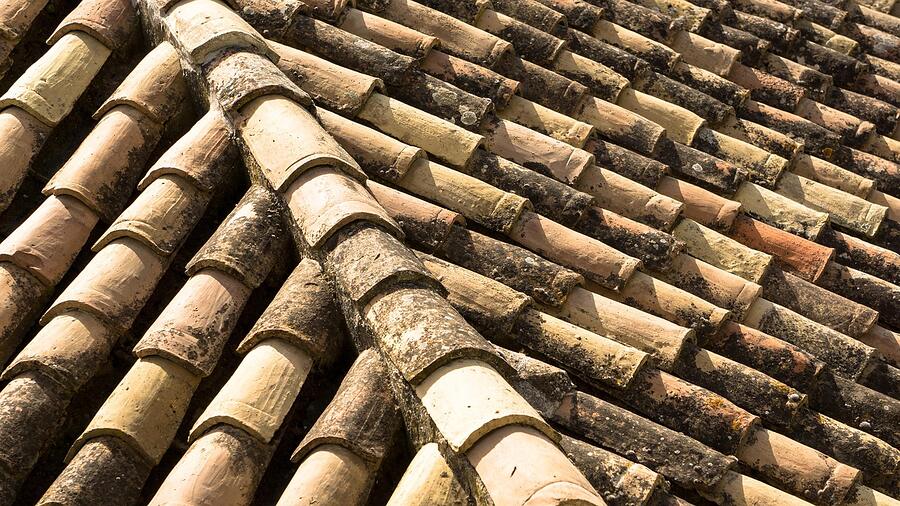
Trapping the climbing rat that accounts for nearly every San Diego attic call, sequenced with sealing.
About roof rat removalGetting them out
Closing the house and checking it
After the rodents, and at work
What is moving inside the walls
How noise in a wall cavity gets traced.
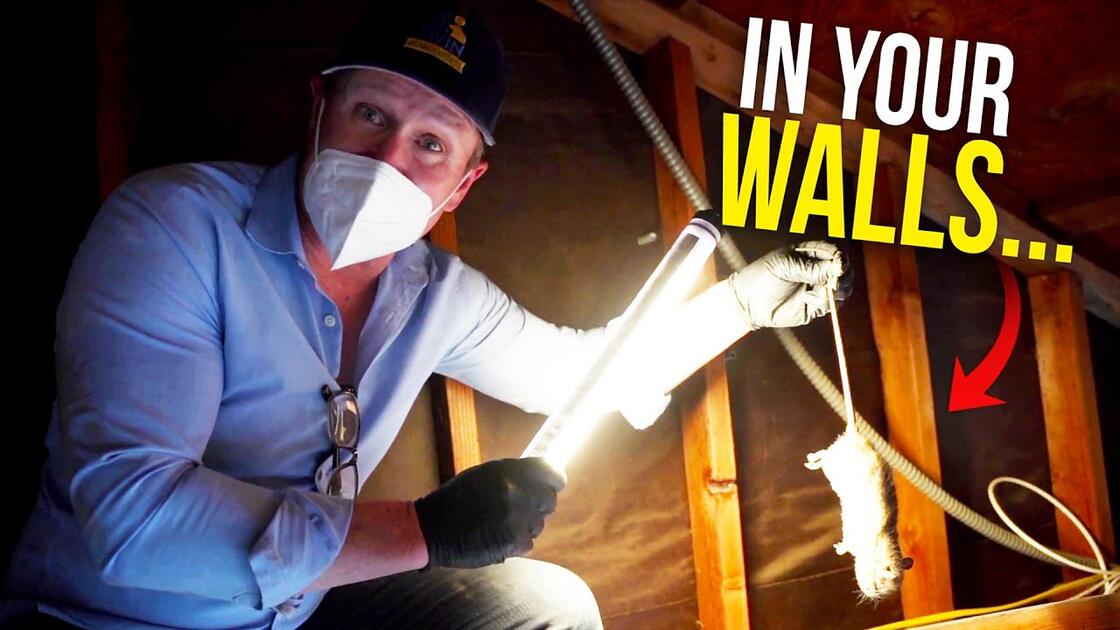
Video: Rodents in your walls? Here's what you do, from Twin Home Experts.
What every service on this list has in common
The order of work and the paperwork are the same whichever page you land on.
The free inspection sets the order for every service
Whichever page brought you here, the first visit is the same: the roofline, the attic, the crawl space where the house has one, and the trees and vines that touch the eave. The findings say which openings are in use, whether the animal is a roof rat or a mouse, and whether the attic needs cleanup or new insulation. That is how nine service pages become one itemized quote.
Standalone inspection $0 to $175 nationally, HomeGuide 2026; free here
Every line priced on its own
Trapping, sealing, cleanup, insulation and any return visit appear as separate lines against the national bands printed on each service page. People comparing notes online describe quotes for similar work that ranged from under two thousand dollars to tens of thousands with no way to tell why. An itemized quote is the answer to that, and it is the format the contractors we route are asked to use.
Trapping and removal $250 to $1,200 nationally, HomeGuide 2026
The right license for the right part of the job
Trapping and sealing are Branch 2 work under the Structural Pest Control Board and require a company PR registration. Replacing attic insulation as a contracted repair is Contractors State License Board work. A job that needs both is routed to contractors who hold each, and both numbers can be checked online before anyone starts.
pestboard.ca.gov and cslb.ca.gov license lookups
Choosing the right service
Which page to read first, by what you are dealing with.
I hear noises but have not seen anything. Where do I start?
With the free inspection. It walks the roofline, the attic and the crawl space if the house has one, identifies the species from droppings and rub marks, and records every opening. The trapping and sealing quotes are written from that report, and the visit is identical whatever service the house turns out to need.
Do I need sealing if the traps are catching rats?
Yes, because the traps are catching replacements. UF/IFAS puts the rat-proofing standard at a quarter inch, and a roof rat ranges about 150 yards from its den, so an open tile eave or a torn foundation vent screen keeps the supply coming from the canyon or the palm next door. Exclusion is what gives the trapping an end date.
Does the insulation have to come out?
Only where it is compressed into runs or wet with urine. Per the Department of Energy, insulation that has been compressed falls short of its rated R-value and insulation that has been wet performs poorly; the inspection checks for both conditions, and cleanup and replacement appear as separate lines. Replacement is routed to a contractor with the Contractors State License Board license for it.
Can I get something in writing for an escrow?
Yes. The clearance letter page describes a written inspection report with the areas checked, the evidence found or absent, the openings sealed and the contractor's PR registration number. It documents a condition on a date, pairs naturally with the termite report a San Diego sale already runs on, and is priced as the inspection plus any sealing found necessary.
Unsure which page fits? Describe the noise and the dispatcher will say.

Unsure which one you need?
Call and describe what you are hearing. The dispatcher matches the call to the right service and sets up the free inspection.