
Rodent Removal in Mission Hills
Mission Hills houses date mostly from 1908 to 1930, with open eaves, clay tile and crawl spaces that roof rats from the canyons below have learned to use. A free inspection, booked on a line that is answered 24 hours a day.
- Free roofline and crawl space inspection
- Trap and seal, no anticoagulant bait
- Branch 2 registered contractors routed
Mission Hills houses have two entry levels, the eave and the sill
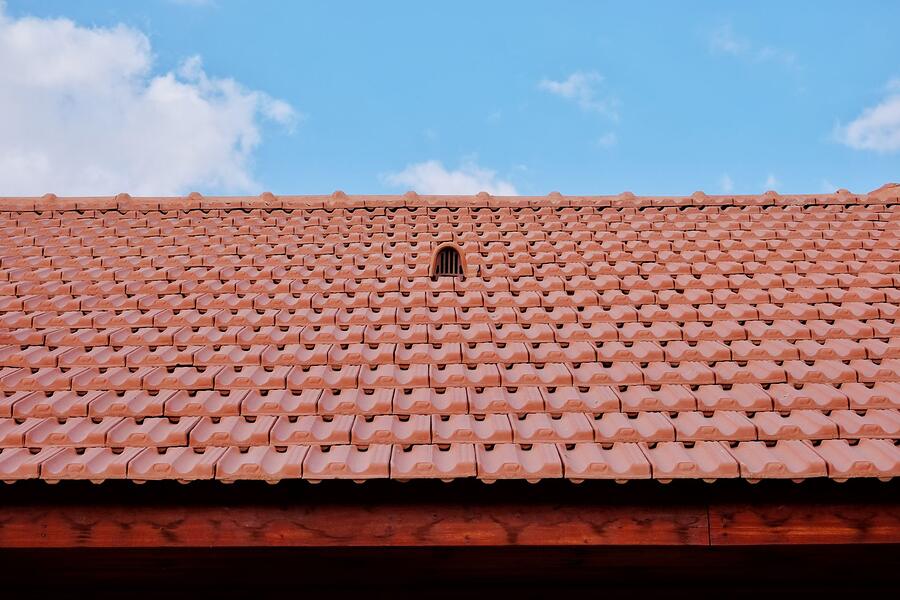
A Mission Hills house built between 1908 and 1930 gives a roof rat a way in at the top of the wall and another at the bottom. At the top, the Craftsman and Prairie houses run open eaves with exposed rafter tails, and the Spanish Colonial Revival houses carry clay tile with a gap under the first course wherever the bird stop is missing or broken. At the bottom, the raised foundation that most of these houses sit on has a line of foundation vents around the crawl space, and a vent screen that has rusted or been pushed in by a garden hose is an opening a rat walks through.
The two levels are connected inside the house. A rat that enters the crawl space follows the plumbing and the wall cavities up to the attic, and one that enters at the eave comes down the same route to the kitchen. An inspection here covers both. The contractor we route walks the sill line with a light and then the roofline with a ladder, and lists every opening found at each level before quoting. Roof rat removal in Mission Hills starts with that list.
The canyon rims supply the rats
Mission Hills sits on the hills just south of the San Diego River valley and is cut by finger canyons, two of which are public trail canyons, and the wet canyon bottom is permanent roof rat habitat. A house on a rim has that habitat at the foot of its own back slope, and the slope is usually planted with ivy, iceplant and the mature trees that give the lot its view. Roof rats climb instead of burrowing, which the County of San Diego Vector Control states plainly, and the ivy on a slope is the cover they move under. From the slope they reach a fence, a citrus tree or a palm with an untrimmed skirt of dead fronds, and from there the roofline.
The 1950s and 1960s modern houses built as infill along these rims have flat or low-pitched roofs and a lot of glass, and they get rats the same way the older houses do, along a branch or a wire to the edge of the roof. Removing the bridge helps and it is the least of the job, since a roof rat forages within roughly 150 yards of its nest by the University of Florida extension's figure, and 150 yards from a canyon bottom reaches every house on the rim. The building has to be closed with metal, which is what rodent exclusion means on a canyon lot.
Sealing a designated historic house without changing it
Many Mission Hills houses fall inside the Mission Hills Historic District or the Fort Stockton Line Historic District, and the sealing on those houses is done from behind and below so the street elevation stays as it was. Open rafter tails get quarter-inch hardware cloth fitted in the bays between them from the attic side, cut to the shape of each bay. A clay tile eave gets a metal bird stop under the first course, which is a manufactured building part that the US Department of Energy names among its recommended tile roof measures, and it sits under the tile out of sight. Foundation vents get new screen in the same frame. Nothing is foamed, because foam is chewed through and it looks wrong on a house of this age.
The county recommends quarter-inch hardware cloth in 18 to 22 gauge and metal weather stripping for rodent sealing, and that is the material list the contractor we route works from on a historic house. The attic gets attention once the sealing is done. An attic that has carried rats for a season has droppings along the top plates and often urine-soaked insulation above the bedrooms, and attic cleanup is priced as its own line on the quote so the homeowner can decide on it separately. The weeks of lying awake tracking footsteps across the ceiling end when the metal goes on; the contact page or the phone, answered 24 hours a day, is where that begins.
A representative foundation vent screen on a Mission Hills crawl space
The foundation vent is the entry a Mission Hills homeowner rarely checks because it sits behind the hydrangeas at ankle height. A representative repair takes out the rusted original screen, fits quarter-inch galvanized hardware cloth into the same cast frame, and secures it with screws and a bead of sealant at the mortar. The same visit checks the sill for gaps where the wood meets the foundation, the crawl space access door for a sweep, and the point where the water and gas lines pass through the wall.
The order an attic job runs in
Five stages, from inspection through to cleanup.
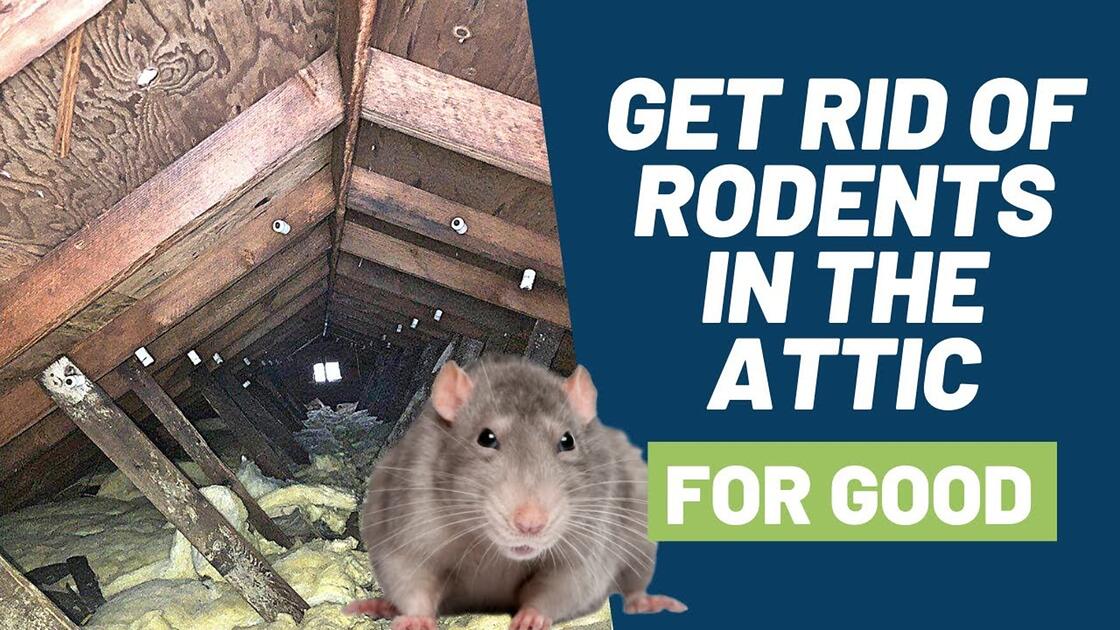
Video: 5 Step Solution to Get Rid of Rodents in Your Attic, from Atticare Construction.
Why Mission Hills homeowners book through us
Both levels of an old house on one list
A pre-war Mission Hills house is inspected at the crawl space and at the roofline on the same visit, because a rat uses whichever is open. The contractor we route lists foundation vents, sill gaps, rafter bays, tile eaves and utility penetrations with a price beside each, closed to the quarter-inch standard the University of Florida extension gives for keeping rats out. A quote that only covers the roof on a raised-foundation house has missed half the openings.
UF/IFAS: a quarter inch is the rat-proofing standard
Trapping, because the bait list is short
Since AB 1788 took effect in 2021 the second-generation anticoagulant baits are off the table for homes in California, and AB 1322 added diphacinone in 2024. The California Department of Pesticide Regulation publishes the Q&A on both. The practical answer for a Mission Hills attic is snap traps left in place for at least a week, which is how long the University of Florida extension says a roof rat takes to stop avoiding a new object, and then sealing so the attic stays empty.
AB 1788 (2021) and AB 1322 (2024), California Department of Pesticide Regulation
A PR number you can check before the ladder goes up
Rodent control in California is Branch 2 under the Structural Pest Control Board, and every company we route holds the Branch 2 registration the work requires. Ask whoever attends for the company PR number and confirm it at pestboard.ca.gov before work starts. If the attic insulation needs replacing after cleanup, that is contractor work under the Contractors State License Board and is routed to a contractor with the CSLB license for it. Ask about warranty terms on the sealing and how many follow-up visits are included.
Structural Pest Control Board Branch 2 registration, verifiable at pestboard.ca.gov
A common Mission Hills call
The situation: A 1920s Spanish Colonial Revival house on a canyon rim, clay tile roof, raised foundation, ivy down the back slope to the canyon bottom. The owners hear something moving under the floor of the rear bedroom after dark and, a week later, above the ceiling too. One of them has stopped sleeping in that room. A friend has told them every old house in Mission Hills has a mouse or two.
What gets done: The inspection finds two foundation vents on the canyon side with the screen rusted out and a run of droppings, a quarter to half an inch long with pointed ends, along the sill inside the crawl space. On the roof, the bird stop is missing along the rear eave for the length of the bedroom. Snap traps go into the crawl space and the attic and stay for a week. The vents get quarter-inch hardware cloth in the original frames, the rear eave gets a metal bird stop under the first course of tile, and the ivy is cut back from the fence line.
How it turns out: Four roof rats are trapped in the first week, two below and two above, and none on the follow-up visit. The seals are checked and the crawl space is quiet. The insulation above the rear bedroom is soiled in one bay and the owners have it removed and replaced as a separate line. The room goes back to being a bedroom.
Mission Hills rodent questions
These come up on most calls from Mission Hills.
Are rats coming from the canyon behind my house?
Very likely, and the canyon will keep supplying them, so the answer is to close the house. The wet canyon bottoms in Mission Hills are year-round roof rat habitat and the ivy and trees on a rim lot are the route up. Cutting ivy back from fences and trimming palm skirts and branches away from the roof removes the bridges, which helps. It does not empty the canyon. Sealing the crawl space vents, the eaves and the utility penetrations with metal is what keeps the next rat outside, and the free inspection lists each of those openings.
Will sealing damage the original details of my historic house?
It should change nothing visible from the street. Rafter bays on an open-eave Craftsman are screened from inside the attic, a tile eave gets a metal bird stop tucked under the first course, and foundation vents keep their cast frames and get new hardware cloth inside them. Ask whoever attends to walk you through how each opening on the list will be closed and to show the materials before work starts. Expanding foam has no place on a house of this age; it is chewed through and it is visible.
Can the county do this for free?
The County of San Diego Vector Control offers a free outdoor educational rodent inspection and a Rat Control Starter Kit, and its number is (858) 694-2888. It does not trap, bait or seal. The county visit is a good first step for a homeowner who wants to understand the yard. The trapping, the crawl space and attic work and the metal sealing are the next step, and that is what the contractors we route do. The inspection through us is free as well and covers the inside of the house.
How long until the noise stops?
HomeGuide's 2026 national guide gives two to three days to trap a small number of rats and one to two months for a severe infestation. On a Mission Hills house the traps stay in for at least a week regardless, the sealing of both the crawl space and the roofline is usually one full visit, and a follow-up comes a week or more later to collect traps and check the seals. Ask whoever attends what happens if activity continues after the sealing and how many follow-up visits are included in the price.
Book the free inspection and get every opening priced on one list.

Book a free inspection in Mission Hills
The phone is answered 24 hours a day. Describe what you hear and where the lot meets the canyon, and the contractor we route will inspect the crawl space and the roofline together and price each part of the job on its own line.