Rodent Removal in Chula Vista, CA
Chula Vista is two cities: the pre-war and mid-century streets west of Interstate 805 and the tile-roof master plans to the east. The way a rat gets in differs between them, and the free inspection reads whichever house you have.
- Free eave, attic and crawl-space inspection
- Trapping plus metal sealing
- Branch 2 registered contractors routed
Free Inspection in Chula Vista
A free inspection in Chula Vista covers the roofline, the attic, the foundation where the house has a crawl space, the garage, and the trees and vines against the walls. On the west side whoever attends is looking at open Craftsman eaves, foundation vents and the lemon and avocado trees left from the orchard days; on the east side it is the concrete tile eave course, the gable and roof vents, and the canyon open space that the master plans were built around. Both visits end the same way, with a written report that puts trapping, sealing and any cleanup on separate lines with separate prices.
Chula Vista is about eight miles south of downtown San Diego on Interstate 5 or 805, and the South Bay contractors we route are close by. The phone is answered 24 hours a day. Book a free inspection and say which side of the freeway the house is on and what you have heard.
West of the 805: the original town and its orchard trees
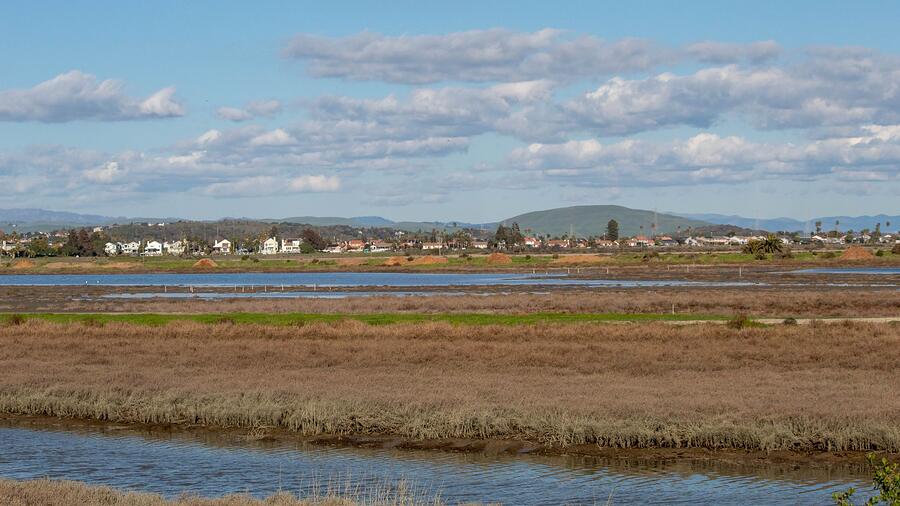
The oldest part of Chula Vista lies west of Hilltop Drive and north of L Street, the original townsite, and the streets around Third Avenue hold the Craftsman bungalows, Spanish revival houses and 1940s and 1950s cottages that grew up when the city was lemon orchards. Many of the older ones sit on raised foundations with a crawl space beneath, which gives a rat two ways in: the roofline above and the foundation vents and sill line below. The wood-frame rooflines have open rafter tails, and the Spanish revival houses carry clay tile with the open eave course that a bird stop closes.
The orchard is still there in pieces. Back yards across the west side carry a lemon, an orange or an avocado, often with a palm and a hedge beside it, and the County of San Diego names fruit trees, palm skirts and dense vines as the places a roof rat nests before it moves to a roof. Hollowed citrus on the ground is the yard-level sign. Rodent exclusion on a west-side house means quarter-inch hardware cloth at the foundation vents, blocks at the open rafter bays, a metal closure along any tile eave, and a fitted panel on the crawl-space hatch, with the county's recommended 18 to 22 gauge mesh doing the work.
East of the 805: tile roofs and canyon preserves in the master plans
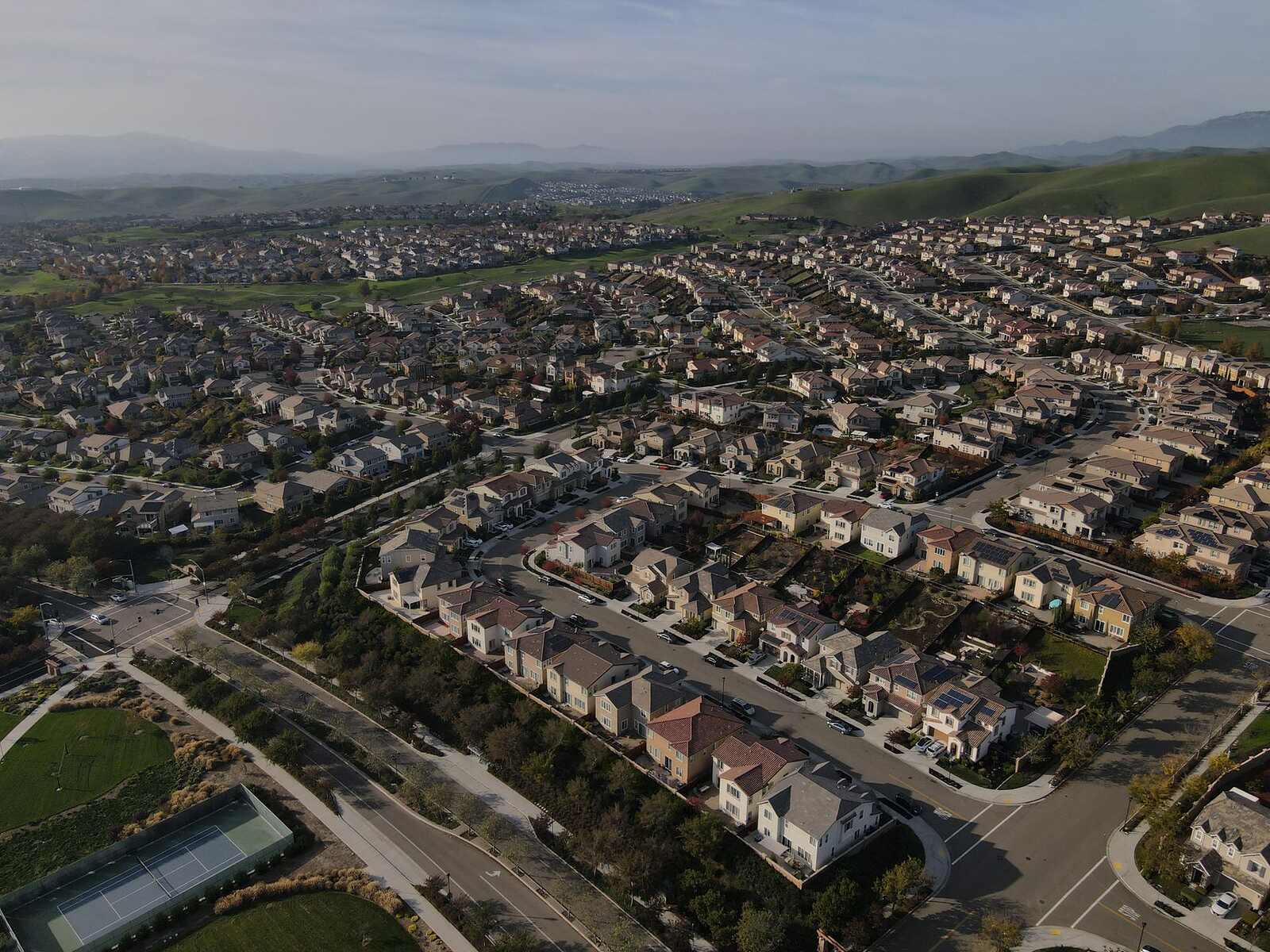
Eastlake, Rancho del Rey and Otay Ranch were planned and built from the late 1980s onward on land annexed east of Interstate 805, and the houses are stucco under concrete S-tile or flat tile, two stories, with attached garages and small yards backing onto open space. The master plans were laid out around canyons and preserved slopes, which is a fine thing for a neighborhood and a standing supply for a roofline. The University of Florida extension describes the roof rat as arboreal, traveling along branches, fences and wires and ranging about 150 yards from its den, and a house on a canyon rim in Otay Ranch has the den within that distance.
On this stock the entry is nearly always the eave course. The gap under the first row of tile is a named building component with a named closure, the bird stop, a metal profile that the US Department of Energy lists among its recommended measures for tile roofs. Where the closure was skipped, crushed or fitted in plastic that has since failed, the void runs the whole length of the eave. Roof rat removal on an east-side house runs snap traps in the attic and the garage while the eave course is closed in galvanized metal, and the contractor we route will show you the difference between that closure and the bead of foam a cheap quote usually means.
What We Handle in Chula Vista
Chula Vista calls split between roof rats in older west-side houses with crawl spaces and roof rats in the tile-roof tracts to the east, with sealing and attic work following either.
- Roof rat removal: snap trapping on the attic and crawl-space runs, left in place a week or more since UF/IFAS notes the species is wary of new objects.
- Rodent exclusion: foundation vents and rafter bays on the west side, bird stops and roof vents on the east, garage sweeps everywhere.
- Rodent inspection: free, covering the roofline, attic, crawl space, garage and the trees and canyon edge around the lot.
- Attic cleanup: droppings and soiled insulation out of an attic that has carried rats through more than one winter.
- Attic insulation replacement: new material where the old fill is flattened or wet, routed to a contractor with the CSLB license for the work.
- Rodent clearance letters: a written inspection report for an escrow or a rental file, which comes up often in a city with this much turnover.
- Commercial rodent control: restaurants along Third Avenue and Broadway, warehouses toward the bayfront, and multifamily buildings on both sides of the freeway.
A Typical Chula Vista Job
The situation: A couple in a two-story Otay Ranch house on a canyon rim hear running in the ceiling of the upstairs bedroom every night after ten, starting in late October. The house was built in the early 2000s with a concrete tile roof and has never had a rodent problem. Their agent, who is helping them list the house in the spring, has told them to get it sorted before the buyer's inspector goes into the attic.
What gets done: The inspection finds the plastic bird stop along the rear eave crushed flat in three places where a satellite installer once stood on it, roof rat droppings along the top plate above the bedroom, and a chewed corner on the gable vent screen facing the canyon. The contractor we route sets snap traps on the run above the bedroom, replaces the crushed sections of eave closure with galvanized metal, fits quarter-inch hardware cloth over the gable vent, and adds a sweep to the garage door. Nothing is baited.
How it turns out: Two rats come out in the first week and the traps stay empty afterward. The follow-up finds no fresh droppings, and the contractor writes a clearance letter listing what was found, what was sealed and the follow-up result, which goes into the listing file.
What This Costs in Chula Vista
Most Chula Vista rodent jobs sit inside the national bands below, and the free inspection tells you which lines apply to a specific house.
| Work | National band (HomeGuide 2026) |
|---|---|
| Inspection | Free here; $0 to $175 standalone elsewhere |
| Trapping and removal | $250 to $1,200 |
| Full-home exclusion | $500 to $2,500 |
| Attic cleanup and decontamination | $600 to $2,500, up to about $4,000 when severe |
| Insulation removal and replacement | $2.50 to $5.50 per square foot |
| Dead rodent removal | $150 to $500 |
| Full-scope restoration | $3,000 to $10,000 and up |
The bands come from HomeGuide's 2026 national guides, labeled as national because no Chula Vista cost page exists to cite; treat them as typical-job ranges that the inspection turns into one figure for one house. West of the 805 a raised foundation adds the crawl-space sealing line that the national guides price and that a slab house skips, which is the main thing that moves an older house up the exclusion band. East of the 805 the length of tile eave that needs a new closure is what sets the sealing figure, and a two-story house adds ladder time. Ask whoever attends for trapping, sealing and cleanup as separate lines and for the terms of the sealing warranty.
Keeping rodents out once they are gone
Three approaches, and why sealing is the one that lasts.
Video: 3 Ways To Get Rid Of Mice or Rats, And Keep Them Out!, from Everything Homestead.
Common Questions in Chula Vista
What callers from Chula Vista ask before they book.
Is it different on the older side of town?
Yes, mainly at the foundation. Many houses west of Hilltop Drive sit on raised foundations, so the foundation vents, the sill line and the crawl-space hatch join the roofline on the list of openings, and the inspection includes a crawl underneath. The rooflines differ too: open rafter tails on the Craftsman houses and clay tile eaves on the Spanish revival ones. On the east side the house is on a slab and the concrete tile eave course carries nearly all the openings. The sealing standard is the same quarter inch everywhere.
How long does it take to get rid of rats here?
Two to three weeks is the usual span for a Chula Vista house once trapping and sealing run together. HomeGuide's 2026 guide puts a light job at two to three days of trapping and a heavy one at a month or two, and the University of Florida extension advises leaving traps at least a week because the animals distrust new objects. A canyon-rim house on the east side or an orchard-tree yard on the west will keep drawing new animals until the openings are closed, so the sealing is what ends the timeline.
Is rat poison still allowed in Chula Vista?
Only a narrow list is, and it is the wrong tool for an attic. California's AB 1788 prohibited the second-generation anticoagulant baits at homes statewide from 2021, and AB 1322 added diphacinone from the start of 2024, with the details published by the California Department of Pesticide Regulation. What remains legal for a licensed company is limited, and a poisoned rat tends to die inside the wall it was living in. The contractors we route trap and seal instead.
Who is licensed for this in San Diego County?
A company registered with the California Structural Pest Control Board for Branch 2 work, which is the classification for rodent control done for hire. Every company we route into Chula Vista holds that registration, and you can confirm the PR number at pestboard.ca.gov before the first visit. Roof rats and house mice are non-native, so no permit is needed to trap them. If the job includes replacing attic insulation, that part is routed to a contractor with a Contractors State License Board license.
Book the free Chula Vista inspection and see every line priced before you decide.
Nearby Areas We Serve
The same contractors cover the cities around Chula Vista, and the service area is the whole of San Diego County.

Book a Free Inspection in Chula Vista
A free inspection on a Chula Vista house, west side or east, shows where the rats come in and what each closure costs. The phone is answered 24 hours a day.